

Tin tức
Why your browser wallet might be the weakest link — and how to fix it
Whoa!
I started caring about DeFi security last year after a nasty phishing scare. My instinct said something felt off when a swap dialog requested odd permissions. Initially I thought browser wallets were all roughly the same, but after reading audits, testing extensions on multiple networks, and watching a few near-miss exploits I changed my view. On one hand the convenience is amazing, though actually the attack surface for browser extension wallets is real and sometimes subtle, involving everything from rogue RPC endpoints to malicious site scripts that try to slip in signature requests.
Seriously?
Here’s what bugs me about most wallet guides: they skip practical threat models. They don’t show how session-based permissioning changes your risk day-to-day. Actually, wait—let me rephrase that: many guides assume you only need one seed phrase and never adjust for the variety of dApps, networks, and token approval types you encounter, which is a flawed simplification. So I spent evenings testing flows and logging how different wallets surface approvals, and that hands-on work made a big difference in what I recommend.
Hmm…
A browser extension wallet can be secure if designed carefully and audited regularly. Key features matter: permission prompts, approval granularity, and a clear UI for connected sites. My gut feeling is that UI nudges are underrated—if a wallet buries revocation controls or hides contract details, even experienced users will sign questionable transactions without thinking. On the technical side, isolation from web pages, careful RPC choices, and offline signing paths reduce attack vectors, although implementing those without eroding user experience requires trade-offs that teams often struggle with.
Here’s the thing.
I tried Rabby for a month and kept detailed notes about behavior. It felt more deliberate about approvals than some other extensions, somethin’ I appreciated. Initially I was skeptical because new wallets often promise security but complicate workflows, but Rabby’s approach to permissioning, approval history, and granular spend limits addressed many of my concerns in practice. There are trade-offs—extra prompts can annoy users and some features require learning, which is why wallets must balance security with clarity, a tension that’s very very important.
Wow!
If you want to try it, there is an easy way to get started. I installed through the official channel and tested on Polygon, Arbitrum, and Ethereum. When you add networks and use custom RPCs, watch how the wallet surfaces gas fees and chain changes, because attackers sometimes trick users into confirming transactions on the wrong chain. Also, consider using an account abstraction or separate ‘hot’ accounts for daily use and keeping a cold account for savings, since compartmentalization reduces the blast radius of a compromise.
No kidding.
Always check contract approvals and limit allowances whenever possible, even for trusted dApps — somethin’ many folks skip. Revoke approvals periodically with on-chain or third-party tools, it’s simple. On one hand the UX for approvals is getting better, though actually many users still approve max allowances by default because it’s convenient, which opens them to large-scale token drains. My advice: treat every approval like signing a financial instrument—don’t be casual about it, and read what the contract wants permission to do.
I’m biased, but…
Hardware wallets are still the gold standard for high-value holdings, no debate. Use them with a browser extension that supports hardware integration and clear prompts. If you have a device like a Ledger or a Trezor, combine it with a thoughtful extension so that signatures are confirmed on-device, reducing exposure to malicious pages running in the same browser. That setup isn’t perfect—physical device security, supply chain issues, and user mistakes remain—but overall it drastically lowers the risk compared with keeping keys in a plain extension.
Okay.
Here are practical steps I follow before interacting with a new dApp. Open a fresh browser profile, confirm RPC endpoints, and preview the contract call data. If the dApp requests token approvals, set custom allowances instead of approving unlimited spends, and if the interface lacks clarity I bounce and research on forums or the project’s docs. Something else: consider using simulated transactions or testnets to validate flows before committing real funds, especially for novel protocols or small-cap tokens that often attract scams.
Really?
There are advanced guardrails wallets can offer, like approval whitelists and automated revocations. They can also show human-readable intent about what a transaction will do. But building those features requires tight collaboration with security auditors and a willingness to slow down confirmation flows, which some product teams avoid to keep onboarding friction low. When teams accept that slowing down can save users from catastrophic loss, user retention paradoxically improves because trust grows, though changing product metrics to reflect long-term trust is hard.
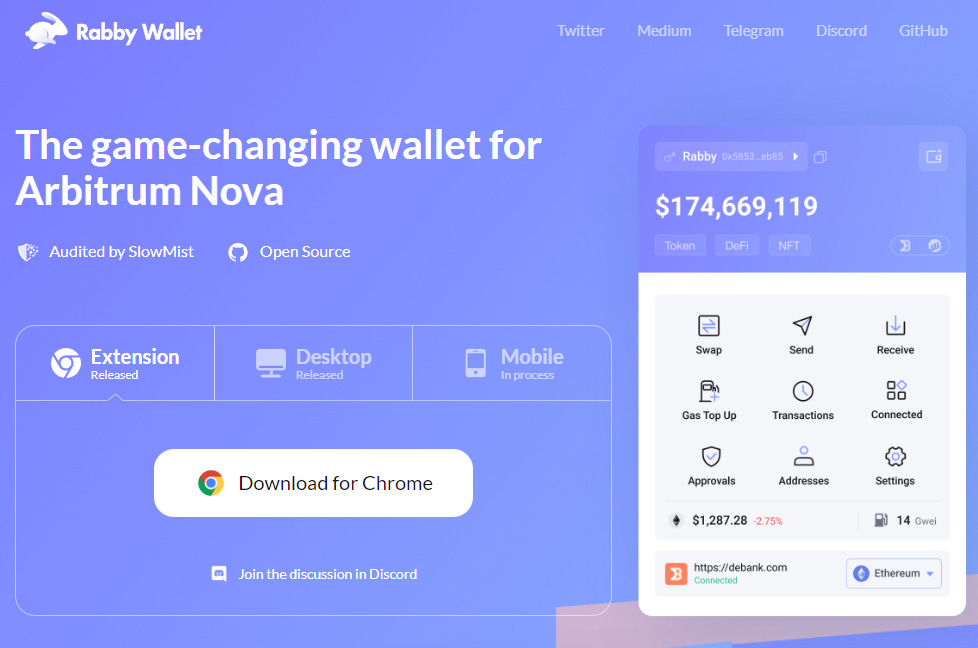
Where to safely get the extension
Hmm. If you’re looking for a balanced, usable extension, consider trying Rabby. I have a recommendation on where to download it safely. Go to the official distribution channel or a verified mirror and verify the extension’s cryptographic signature when possible, because attackers often clone popular wallets and offer poisoned versions on unofficial sites. For a straightforward start point and a clear installer path, check rabby wallet download which I used during testing and found reliable, though always verify details on your end.
Common questions
Do I need a hardware wallet for everything?
Whoa! Not necessarily. For everyday small transactions a well-designed browser extension with good approval controls can be fine. However, if you hold significant balances you should absolutely use a hardware wallet for those funds; the extra step of confirming signatures on-device is a big risk reducer. I’m not 100% rigid here—your threat model matters, and if you trade often you might prefer splitting assets across hot and cold accounts.
How often should I revoke approvals?
Really? Good question. I tend to audit approvals monthly and immediately revoke any that look strange or are tied to one-off interactions. If you interact a lot with DeFi, consider automated tools or scripts that flag large allowances. Oh, and by the way… keeping a short log of recent approvals helped me catch a rogue approval once, so it pays to be a little paranoid.